Dental Crowns Los Angeles CA for Better Oral Health and Aesthetics

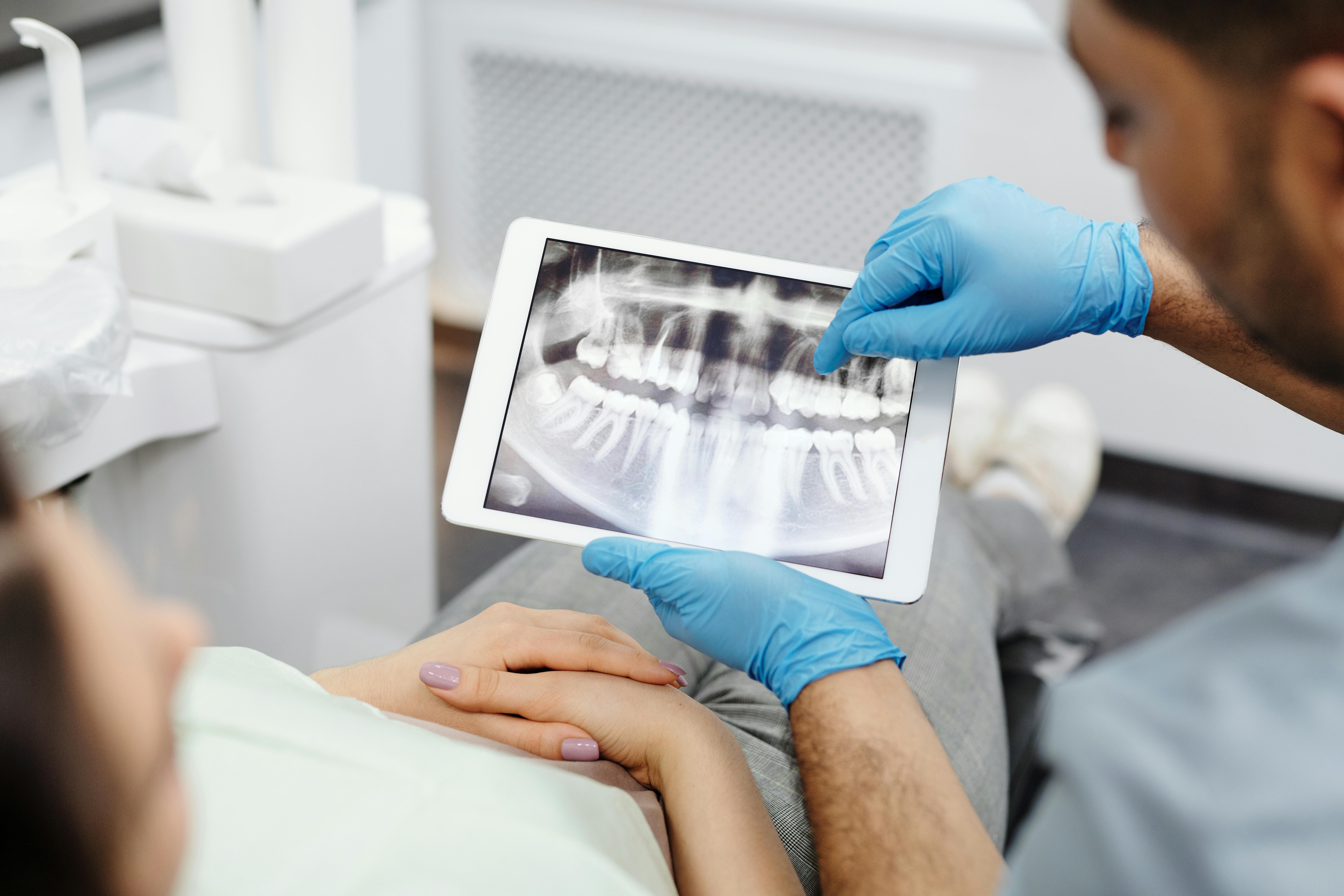
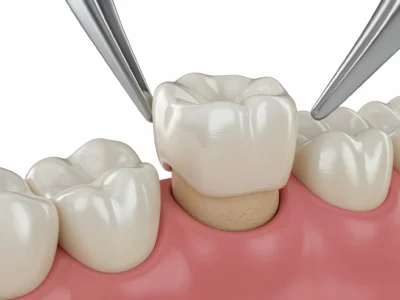
A well-made dental crown does two jobs at once. It protects a damaged tooth from further breakdown, and it restores the look of a natural smile in a way most people never notice. That combination explains why crowns remain one of the most dependable treatments in restorative dentistry. In a city where appearance matters and busy schedules are the norm, patients looking into Dental Crowns Los Angeles CA are often trying to solve both a functional problem and a cosmetic one at the same time.
Crowns are not new, but the materials, digital workflows, and aesthetic standards around them have changed dramatically. Years ago, many crowns looked bulky or too opaque. Some had dark metal lines near the gumline. Today, when treatment is planned carefully, a crown can blend so naturally that even close friends may not realize dental work has been done. The real value, though, goes beyond appearance. A crown can keep a cracked tooth from splitting, reinforce a tooth weakened by a large filling, and restore confidence in chewing without hesitation.
What a dental crown actually does
A dental crown is a custom-made covering that fits over a prepared tooth. Think of it as a protective outer shell designed to restore the tooth’s shape, strength, and appearance. Dentists recommend crowns for several reasons, and each one comes back to preserving oral health before a small problem turns into a larger, more expensive one.
A tooth that has lost a lot of structure often cannot hold up well with a filling alone. Fillings work best when enough healthy tooth remains to support them. Once a tooth has a large cavity, a fracture, or significant wear, the remaining walls can become thin and brittle. At that point, a crown acts like reinforcement. It redistributes chewing forces and helps the tooth tolerate daily use.
Crowns are also common after root canal treatment. A root canal removes infected or inflamed tissue from inside the tooth, which resolves pain and infection. But the tooth itself can become more fragile, especially molars that absorb heavy biting pressure. Placing a crown after a root canal is often less about cosmetics and more about long-term survival of the tooth.
There is another side to crowns that matters just as much. They can transform the appearance of teeth that are misshapen, severely discolored, worn down, or uneven. Veneers often come up in cosmetic conversations, but crowns are the better option when appearance concerns overlap with structural damage. A skilled dentist weighs both needs, preserving as much natural tooth as possible while delivering a restoration that looks right in the smile.
Why patients in Los Angeles ask about crowns so often
Los Angeles patients tend to be highly aware of how their smiles look on camera, in meetings, and in social settings. That is only part of the story. The larger reason crowns are common is that people keep their natural teeth longer than previous generations, which means more adults are managing old fillings, cracked enamel, bite wear, and complex restorative needs over time.
It is routine to see a patient in their forties or fifties with a molar that has had two or three fillings over the years. At some point the remaining natural tooth structure becomes the weak link. The patient may not even have pain. They may simply notice food catching on one side, a rough edge, or a sudden sensitivity when chewing something hard like almonds or crusty bread. Those are often the quiet warning signs before a cusp breaks.
Lifestyle also plays a role. Stress-related clenching and grinding are common, and many patients do not realize they do it until a partner hears grinding at night or a dentist spots flat wear facets and tiny cracks. Add coffee, red wine, acidic drinks, and occasional skipped checkups, and it is easy to see why restorative dentistry stays busy in a city like Los Angeles.
For people researching Dental Crowns Los Angeles CA, the goal is rarely just to “cap a tooth.” They want a crown that feels natural, fits comfortably, photographs well, and lasts. That requires more than lab work. It requires diagnosis, judgment, and attention to bite, gum health, and material selection.
When a crown makes more sense than a filling
One of the hardest conversations in dental care is telling a patient that a filling is no longer enough. Many people understandably prefer the simpler, less costly option. Sometimes that is entirely appropriate. Other times it is a short-term fix on a tooth that is already close to failing.
A practical example helps. If a molar has a very large old filling and one side of the tooth has cracked off, replacing that lost portion with another filling may seem conservative. Yet if the remaining tooth walls are thin, the filling can act almost like a wedge under pressure. The tooth may hold for a few months or a couple of years, then fracture again, often deeper and in a way that is harder to repair. In that situation, a crown often preserves the tooth more predictably.
Dentists also consider where the tooth sits in the mouth. Back teeth absorb more force than front teeth. A small to moderate defect on a front tooth may be managed beautifully with bonding. The same size defect on a molar can be a different story because chewing pressure is much higher. Bite pattern matters too. Patients who clench can break restorations that might last much longer in someone with a lighter bite.
Crowns are not the answer to everything, and good dentists do not recommend them casually. Preparing a crown means reshaping the tooth, so the decision should be justified by clear structural or aesthetic benefit. The best treatment plans are usually the ones that balance preservation with durability, rather than leaning too far in either direction.
Signs a tooth may need a crown
The need for a crown is sometimes obvious, but often it builds gradually. These are common situations that deserve a closer look:
- A tooth has a large filling and now feels weak, sore, or sensitive when chewing.
- A visible crack, broken cusp, or chipped section has changed how the tooth functions.
- A root canal has been completed on a back tooth that now needs protection.
- The tooth is severely worn down from grinding, erosion, or years of heavy bite pressure.
- The appearance of the tooth is compromised enough that both strength and cosmetics need restoration.
None of these signs automatically guarantee a crown, but each one suggests the tooth may need more support than a simple filling can provide.
Materials matter, especially in visible areas
Patients often ask which type of crown is “best,” but there is no universal answer. The best material depends on the tooth, bite forces, cosmetic goals, and the amount of room available between the upper and lower teeth.
All-ceramic and porcelain-based crowns are widely chosen for front teeth because they can mimic the translucency and color variation of natural enamel. When they are done well, they do not have the flat, chalky look that people sometimes associate with older dental restorations. They can reflect light in a way that looks lifelike rather than artificial.
Zirconia has become especially popular because it combines strength with improved aesthetics. It is often a strong option for molars and for patients who grind their teeth, though the exact type of zirconia and the design of the crown matter. Not every zirconia crown looks the same, and not every case should be handled identically.
Porcelain-fused-to-metal crowns are still used in some situations, though they are less sought after cosmetically than they once were. They can be durable, but they may show a dark edge at the gumline over time, especially if gums recede. For patients focused on a seamless aesthetic result, metal-free options are often more appealing.
Gold crowns deserve a brief mention because they remain excellent from a functional standpoint. They are kind to opposing teeth and can last a very long time. Yet in Los Angeles, where appearance is usually a major consideration, most patients do not want visible gold unless the tooth is far back and hidden when they smile.
The process, from first visit to final placement
The crown process is usually straightforward, though the exact number of visits depends on the office and the technology used. Some practices offer same-day crowns with in-house milling systems, while others use an outside lab for custom fabrication. Both approaches can work well when the case is selected carefully.
At the first appointment, the dentist examines the tooth, takes imaging as needed, and evaluates whether the tooth can be predictably restored. This part is more important than patients often realize. A beautiful crown on a tooth with unresolved gum disease, a deep crack into the root, or an unstable bite is not a success story waiting to happen.
If the tooth is a good candidate, the dentist numbs the area and reshapes the tooth so the crown will fit properly. Any decay or weakened structure is addressed first. Then an impression or digital scan is taken. That scan captures the exact contours needed for the final restoration. A temporary crown is usually placed if the permanent one is being made by a lab.
Temporary crowns are easy to underestimate. They protect the prepared tooth, maintain spacing, and give both patient and dentist a preview of shape and basic function. If something feels wrong at this stage, such as bite pressure or rough contours, it is worth mentioning. Small details caught early often lead to a much better final result.
At the final visit, the permanent crown is tried in, checked for fit, color, bite, and contact with neighboring teeth, then cemented or bonded into place. Patients often focus on the mirror moment, which is understandable. Dentists, meanwhile, are also paying close attention to whether the bite is balanced. A crown that looks excellent but hits too hard can cause headaches, soreness, or even fracture risk over time.
Aesthetics are not just about whiteness
There is a common misconception that the most attractive crown is the whitest one. In practice, crowns that are too white often stand out in the wrong way. Natural teeth are not one flat shade. They have depth, translucency, and subtle variation from edge to gumline. Front teeth especially need that nuance.
A well-designed crown also respects the shape and proportions of the smile. If a single front tooth crown is too long, too square, or too opaque, it can draw attention immediately. Matching one front tooth to the neighboring natural tooth is among the most technically demanding tasks in dentistry. It requires communication between dentist and lab, high-quality photos, and a good understanding of facial aesthetics, lip movement, and gum symmetry.
Patients looking for cosmetic improvement sometimes expect a crown to solve issues that really belong to orthodontics or whitening. That is where honest treatment planning matters. If teeth are crowded, uneven, or much darker overall, a dentist may recommend addressing those concerns first or combining treatments thoughtfully. Crowns can do a great deal, but they should not be used as a shortcut for every smile issue.
Longevity depends on more than the crown itself
People naturally want to know how long a crown lasts. A fair answer is that many crowns last well over a decade, and some last much longer, but lifespan varies widely. Material choice matters. So do the skill of the preparation, the quality of the fit, oral hygiene, bite forces, and whether the patient grinds their teeth.
The part that surprises many patients is that crowns usually do not “go bad” on their own. The most common reasons crowns fail involve what happens around them. Decay can develop at the margin where the crown meets the tooth if plaque control is poor. Cement can wash out over time if the fit is compromised. A tooth underneath can crack. Gums can become inflamed if the crown contour traps plaque or the patient has difficulty cleaning around it.
This is why routine dental visits matter after the crown is placed. A crown may feel fine and still have an issue that only shows up on an exam or x-ray. Catching a small margin problem early is very different from discovering a major cavity under a crown years later when the tooth has become non-restorable.
Cost, value, and the question patients are often hesitant to ask
Crowns are an investment, and patients deserve transparent conversations about fees and alternatives. The cost of dental crowns varies in Los Angeles based on material, case complexity, the practice’s technology, whether a specialist is involved, and insurance coverage. It is reasonable for patients to compare options, but cheaper is not always cheaper in the long run if the fit, aesthetics, or diagnosis are poor.
There is also the question of timing. Some patients try to postpone a recommended crown because the tooth is not hurting much. Sometimes that works for a while. Other times the delay ends with a fractured tooth requiring a root canal, extraction, or implant. One of the more frustrating scenarios in practice is Dental Crowns Los Angeles CA seeing a tooth that could have been restored predictably six months earlier but now has far fewer good options.
Value comes from preserving the natural tooth, avoiding repeated repairs, and restoring dependable function. When patients can chew comfortably, clean easily around the restoration, and smile without thinking about it, that is usually money well spent.
Crowns on implants are a different category
It is worth clarifying that a crown can also be Dental Crowns Los Angeles CA placed on top of a dental implant, but that is not the same as crowning a natural tooth. A crown on a natural tooth relies on existing tooth structure for support. A crown on an implant attaches to a titanium post that replaces the root.
From the patient’s point of view, both may simply look like “a crown,” but treatment planning is different. With an implant crown, gum contours, bone support, and implant position all influence the final appearance and function. In highly visible areas, that planning becomes especially important. A technically successful implant can still look unnatural if soft tissue support or crown design is off.
For anyone searching Dental Crowns Los Angeles CA because they have a missing tooth, it helps to ask whether the discussion is about restoring an existing tooth or replacing one with an implant-supported crown. The terms overlap in casual conversation, but the treatment pathways are not identical.
How to care for a crown so it lasts
A crown is durable, not indestructible. Daily habits make a real difference in how long it performs well.
- Brush thoroughly along the gumline, where plaque tends to collect around the edge of the crown.
- Floss or use another recommended cleaner every day to protect the tooth and gums around it.
- Avoid using teeth as tools to open packages or bite very hard objects like ice or unpopped kernels.
- Wear a night guard if you clench or grind, especially if your dentist has already seen wear patterns.
- Keep regular checkups so small problems can be adjusted or treated before they become larger ones.
Patients sometimes assume crowned teeth no longer need the same level of care as natural teeth because the visible surface is artificial. The opposite is often true. The crown may not decay, but the tooth beneath it still can, especially at the margin.
Choosing the right provider in Los Angeles
Los Angeles offers no shortage of dental offices, which is both an advantage and a challenge. The difficult part for patients is figuring out who combines technical skill with sound judgment. Crowns sit at the intersection of health, engineering, and aesthetics. That means the right dentist is not just someone who can place a crown, but someone who knows when to recommend it, when to hold back, and how to make it function comfortably over time.
It helps to look for a dentist who explains the reasoning behind the treatment, not just the procedure itself. If a tooth could reasonably be treated in more than one way, patients should hear the trade-offs clearly. For example, a dentist might explain that a conservative onlay preserves more tooth structure but may not be ideal under very heavy bite pressure, while a full crown offers more coverage at the cost of greater tooth reduction. That kind of conversation signals thoughtful care.
Photography and digital scans can also tell you something about a practice’s standards, especially for visible teeth. Good aesthetic dentistry is detail-oriented. Shade matching, shape refinement, and communication with the lab are not afterthoughts.
The larger payoff: health, comfort, and confidence
The best crowns disappear into daily life. They do not catch food, feel high when you bite, or make you hesitate before smiling. They simply allow the tooth to function as it should. That matters more than people realize until they have spent months chewing on one side, worrying about a crack, or covering a tooth in photos.
When a crown is indicated and done well, it can prevent a cascade of problems. It may spare a weakened tooth from fracturing beyond repair. It can restore balance to the bite and reduce irritation caused by rough or broken edges. It can also improve the appearance of a smile in a way that feels refined rather than obvious.
For patients considering Dental Crowns Los Angeles CA, the most useful mindset is to see the procedure as both protective and restorative. The crown is not merely a cover. It is a carefully designed reconstruction of a tooth that still has a job to do every day. When that reconstruction respects biology, bite, and aesthetics together, the result is stronger oral health and a more natural-looking smile.
Simple Dental Vermont
Address: 8914 S Vermont Ave, Los Angeles, CA 90044
Phone number: +13239493000
FAQ About Dental Crowns Los Angeles CA
How much do crowns cost per tooth?
In the United States, a single dental crown typically costs between $800 and $2,500 per tooth without insurance. The ultimate out-of-pocket price depends heavily on the crown material, the location of the tooth, and whether you have dental insurance coverage.
What is the downside of crowns on teeth?
The primary downside of a dental crown is that the procedure permanently removes natural tooth enamel to shape the tooth for the cap.
Why do dentists push for crowns?
Dentists recommend crowns because a large filling cannot provide enough strength when a tooth loses a major portion of its structure or faces heavy chewing pressure.