Why You Should Keep the Number of an Emergency Dentist Handy
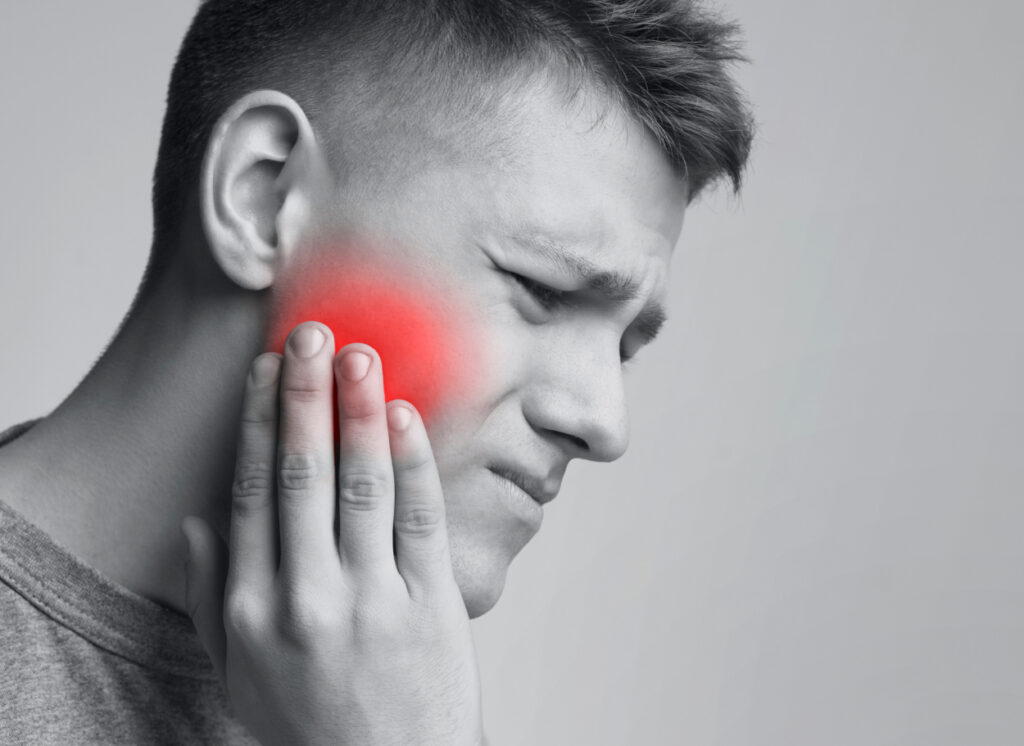
Most people do not think about dental emergencies until one lands in their lap, usually at the worst possible time. A cracked tooth during dinner. A child who slips on the pool deck and chips a front tooth on a Saturday afternoon. A deep, throbbing pain that starts as an annoyance and becomes impossible to ignore at 2 a.m. When that moment arrives, the difference between a manageable problem and a miserable, expensive ordeal often comes down to preparation.
Keeping the number of an Emergency Dentist handy sounds like a small administrative detail. It is not. It is a practical decision that can save time, reduce pain, protect your long-term oral health, and help you make better choices when stress is high. People who prepare for dental emergencies tend to act faster, avoid panic, and get the right care sooner. People who do not prepare often lose precious time deciding whom to call, whether the issue can wait, and where to go if their regular dentist is unavailable.
That delay matters more than many people realize.
Dental problems do not follow business hours
A lot of urgent dental issues happen outside the neat structure of a weekday schedule. Teeth crack over meals, during sports, in minor car accidents, while grinding through the night, or simply because an old filling finally gives out. Gum swelling often builds over a weekend. Abscess pain can intensify in the evening. A crown rarely loosens at a convenient hour.
In a general medical emergency, most people know the next step. They Emergency Dentist Los Angeles CA call 911 or head to the emergency room. Dental emergencies are murkier. Many are urgent but not life-threatening, which leaves people in an awkward middle ground. They know they need help, but they are not sure where to get it. That uncertainty is exactly why having the number of an Emergency Dentist available matters.
A hospital emergency room can help with severe infection, uncontrolled bleeding, trauma involving the jaw, or breathing and swallowing issues. But for many tooth-specific problems, the ER is limited. Hospital staff may manage pain, prescribe antibiotics when appropriate, and rule out more serious medical concerns. They usually do not repair broken teeth, perform root canal therapy, re-seat a crown, or address the dental cause itself. In practical terms, that means you may still need a dentist immediately after the ER visit.
If you already have contact information for an emergency dental provider, you skip the scramble. You know whom to call. You know where to go. That alone can lower stress in a very bad moment.
Fast treatment often changes the outcome
Not every dental issue gets worse by the hour, but many do. The mouth is a hard place to leave alone. You chew, swallow, talk, clench, sip hot coffee, drink cold water, and sleep with your teeth under pressure. An injury or infection does not get much rest.
A small crack can deepen. A loose crown can expose sensitive tooth structure and make the area vulnerable to further damage. A knocked-out tooth has the best chance of being saved when handled correctly and treated quickly. Swelling from infection can spread into surrounding tissue. What starts as moderate discomfort can become a serious problem over the course of a day or two.
This is not alarmism. It is what dentists see all the time. Someone notices a symptom, hopes it will settle down, waits through a weekend, and arrives with a bigger issue than they had at the start. The treatment becomes more complex, more invasive, and more expensive. A simple filling becomes a crown. A crown becomes a root canal and crown. A tooth that might have been saved ends up needing extraction and replacement.
That sequence is common enough that experienced dental teams expect it.
An Emergency Dentist can assess the situation quickly and separate true emergencies from painful but stable problems. That professional judgment matters. Sometimes the answer is immediate treatment. Sometimes the right move is palliative care until a scheduled procedure. Sometimes the dentist tells you the issue can safely wait until morning. Without access to that guidance, people tend to swing between two extremes, ignoring a real problem or rushing into the wrong setting for a manageable one.
Pain makes ordinary decisions harder
Anyone who has had serious tooth pain knows how narrow your focus becomes. You do not feel like comparing office websites, checking reviews, or arguing with an answering service. Sharp nerve pain can make it hard to think clearly. So can facial swelling, a bleeding gum injury, or the sight of a broken front tooth before a work event or family function.
Preparation is most valuable when you are least able to improvise.
When you keep the number of an emergency dental office in your phone, or on the refrigerator at home, you reduce the decisions you need to make under pressure. That may sound minor, but it has real value. People in pain are more likely to delay, choose convenience over quality, or rely on internet advice that does not fit their situation. They may also take too much over-the-counter medication, place aspirin directly against the gum, or try home fixes that worsen the problem. Dentists still see chemical burns from inappropriate pain remedies, and temporary repair attempts that trap bacteria or irritate tissue.
A reliable point of contact changes the tone of the situation. Instead of guessing, you call. Instead of scrolling, you get instructions from someone trained to triage urgent dental issues.
Dental emergencies are not limited to dramatic accidents
When people hear the term emergency, they often picture a hockey puck to the face or a complete tooth avulsion. Those cases happen, but everyday emergencies are more common and less cinematic. A neglected cavity that finally reaches the nerve can be every bit as urgent to the person experiencing it. So can a gum infection with visible swelling. So can a fractured molar that makes it impossible to chew on one side.
The issues that most often require prompt evaluation include the following:
- Severe toothache, especially with swelling, fever, or pain when biting
- A broken, cracked, or knocked-out tooth
- A lost crown or filling causing sharp pain or exposed tooth structure
- Bleeding that does not stop after dental work or oral injury
- Facial swelling, gum abscess, or signs of spreading infection
Notice that not every item on that list involves visible drama. Some are pain-driven. Some involve function. Some are about preventing the next step from becoming more serious. That is why it helps to think of emergency dental care as urgent oral medicine, not just trauma response.
In a large city, this is especially relevant. If you live in Southern California, for example, having the contact information for an Emergency Dentist Los Angeles CA can be unusually helpful. Traffic, distance, work schedules, and the sheer number of providers can complicate decision-making when time matters. In a city with endless options, pre-selecting the right option is often the smartest move.
Children turn routine days into urgent situations
Parents tend to understand the value of preparation faster than anyone else. Kids fall, collide, bite hard on unexpected objects, and somehow manage to get hurt in the narrow window between school pickup and dinner. Baby teeth and permanent teeth present different concerns, and that distinction can be hard to judge in the moment.
A chipped baby tooth is not managed exactly like a fractured permanent incisor. A knocked-out baby tooth is generally not reimplanted, while a knocked-out permanent tooth may be a true time-sensitive emergency. Most parents do not want to sort through those details while calming a crying child with a bloody lip and a missing tooth.
That is where having a trusted emergency dental contact pays off. You call, describe what happened, and get immediate direction. You are told whether to come in right away, how to control bleeding, whether to save the tooth fragment, and what to do during the drive. That kind of guidance can spare a child unnecessary distress and improve the odds of preserving the tooth.
Even minor injuries benefit from prompt expert evaluation. A tooth may look intact but have hidden damage to the pulp or supporting structures. The injury may also affect developing permanent teeth in younger children. Waiting because the child “seems fine now” can miss issues that appear later.
Quick access can save money, not just teeth
Some people hesitate to seek emergency dental care because they worry about cost. That concern is understandable. Yet delaying urgent care is often what drives the bill upward.
A cracked tooth that could have been bonded or crowned early may split below the gumline if left under chewing pressure. An untreated infection may require more extensive treatment, drainage, multiple visits, or replacement of a lost tooth. A loose restoration might be simple to re-cement in one stage, but more involved if decay sets in around the exposed area or the restoration breaks.
There is another financial angle people overlook. If you do not know where to go, you may end up in a setting that is expensive but not definitive. An emergency room visit for dental pain can carry a substantial charge and still leave you needing a dentist afterward. That means you pay for temporary relief and then pay again for actual treatment.
A prepared patient can ask practical questions early. Does the office offer same-day treatment if needed? Do they accept your insurance plan? What payment options are available? Can they prescribe appropriately after an exam if infection is present? These are much easier conversations when you are talking to a known office rather than starting from zero in the middle of a crisis.
The best time to choose an emergency dentist is before you need one
This is the part many people skip. They assume they can find someone when the time comes. Sometimes that works. Often it does not.
Not every dental office handles emergencies in the same way. Some reserve same-day slots. Some do after-hours triage. Some see only existing patients. Some offices are excellent for routine preventive care but not set up for urgent trauma cases. Some are simply too far away to be practical when you are in significant pain.
Choosing in advance lets you evaluate calmly. You can consider location, office hours, responsiveness, and whether the practice feels organized. If you wear crowns, have a history of root canals, grind your teeth, play contact sports, or have children, this becomes even more important. Those factors raise the odds that you will need urgent care at some point.
A short preparation routine is enough:
- Save the office number in your phone under a name you can find quickly
- Keep a second copy somewhere visible at home
- Ask your regular dentist how after-hours emergencies are handled
- Know your dental insurance basics, if you have coverage
- Keep a small dental first-aid kit with gauze, a clean container, and pain reliever
That is not overpreparing. It is the same logic as knowing where your urgent care center is or keeping a flashlight for a power outage. You hope not to need it. You are glad when you do not have to improvise.
What happens when you call matters
One reason people delay is uncertainty about what will happen next. They imagine a complicated process, or they worry they will be bothering someone over a problem that turns out not to be urgent. In reality, a good emergency dental office is built to sort this out efficiently.
Typically, the team asks when the problem started, what symptoms you have, whether swelling is present, whether there was trauma, and what your pain level feels like. If a tooth has been knocked out, they may ask how it is being stored. If you have a broken tooth, they may ask whether the nerve appears exposed or whether sharp edges are cutting the cheek or tongue. If you have swelling and difficulty swallowing or breathing, they may direct you to emergency medical care immediately.
This first conversation often does more than schedule an appointment. It gives you a plan for the next 30 to 90 minutes. Rinse gently. Apply a cold compress. Do not place the tooth in tap water. Avoid chewing on that side. Bring the crown with you. Come now, not tomorrow.
That is the value of keeping the number handy. You are not just saving a contact. You are preserving access to triage, judgment, and a calm voice when you need one.
Some emergencies are obvious, others are subtle
One common mistake is assuming that if pain is intermittent, the problem emergency dental Los Angeles CA cannot be urgent. That is not always true. A tooth can ache on and off before becoming acutely inflamed. A crack can hurt only when you release biting pressure. A developing abscess may start with tenderness before visible swelling appears. Gum infections can also progress quietly in people with reduced pain sensitivity.
Another mistake is assuming that if pain suddenly stops, the problem resolved. Sometimes it did, but sometimes the nerve inside the tooth has died, which is not a cure. That can be followed by infection, swelling, or pain on biting. People often feel relieved for a day or two, then much worse.
Experienced dental teams are trained to spot these patterns. Laypeople are not expected to be. That is precisely why ready access to an Emergency Dentist matters. It bridges the gap between what you can safely observe at home and what needs professional evaluation.
Urban life adds complications that preparation solves
Large metropolitan areas create their own version of the problem. In a smaller town, your options may be limited, but they are easier to sort through. In Los Angeles, the challenge is abundance. Plenty of providers exist, yet not all are nearby, available, or equipped for the kind of urgent issue you have. Add traffic, parking, work meetings, school schedules, and long commutes, and a dental emergency becomes a logistical event.
For residents and commuters, having contact information for an Emergency Dentist Los Angeles CA is not just a convenience. It is a strategy. You can choose a provider near home, near work, or along a route you can realistically manage. That planning matters when you are deciding whether to cross town with a swollen face or a traumatized child in the back seat.
People who live busy lives often underestimate how much practical friction delays care. They tell themselves they will call around later, after one more meeting, after pickup, after dinner. By then the office is closing, the pain is worse, and the options have narrowed. Saving the right number ahead of time cuts through all of that.
It is part of responsible health planning
We tend to separate oral health from general health until a crisis forces us to connect them again. Infections in the mouth can affect eating, sleeping, work performance, and overall well-being. Severe dental pain can trigger headaches, stress, and poor concentration. Untreated infections can become medical issues. Trauma to the mouth often involves lips, tongue, jaw joints, and facial bones, not just teeth.
Keeping the number of an Emergency Dentist handy is a small act of health planning with outsized practical benefit. It helps single adults, families with children, older adults with extensive dental work, travelers, athletes, and anyone whose job or life schedule makes delays harder to manage. It reduces the odds that you will rely on guesswork, internet folklore, or the wrong care setting. It supports faster, calmer, more effective decisions when timing matters.
A lot of people assume preparation is pessimistic. It is not. It is a sign that you understand how quickly normal days can change, and how useful a simple plan becomes the moment they do.
Tooth pain has a way of taking over the room. So does sudden swelling, a broken front tooth, or a child holding a bloody washcloth to their mouth. In those moments, you do not need another task. You need clarity. You need a professional. You need a number you can reach without thinking twice.
That is why it is worth saving today.
Simple Dental Vermont
Address: 8914 S Vermont Ave, Los Angeles, CA 90044
Phone number: +13239493000
FAQ About Emergency Dentist Los Angeles CA
What can the ER do for a tooth?
The emergency room can provide temporary symptom relief for a bad tooth, such as prescribing pain medicine or antibiotics, but it cannot fix the actual dental problem.
What is the 3-3-3 rule for tooth infection?
The 3-3-3 rule for a toothache or infection typically means taking three 200 mg ibuprofen tablets (600 mg total) three times a day for no more than three days to control pain and swelling while waiting to see a dentist.
What do you do if you have a dental emergency but no dentist?
If you have a dental emergency and no regular dentist, you should search for an urgent care dental clinic, call local walk-in dental offices, or go to a hospital emergency room if you have severe bleeding, swelling, or trouble breathing.